

Before learning how to recover unsaved excel files, it helps to understand why Excel loses data. Excel relies heavily on autosave excel and AutoRecover. If autosave excel is disabled or the app crashes before the interval saves, the file never reaches your storage. This happens a lot when people are running excel find and remove duplicates operations, applying conditional formatting across large ranges, or testing different methods like advanced filter during reporting.
Recovery Success Rates According to Recent Data
Over the last few years, Microsoft support forums and recovery software blogs like Ablebits and IONOS have repeatedly confirmed that a large percentage of lost Excel data can be recovered if the right steps are followed calmly. A Microsoft Answers thread in 2024 showed that nearly sixty percent of users who thought their data was gone forever managed to restore at least a partial version. That is a big number and it explains why understanding how to recover unsaved excel files is still relevant in 2026.
Before diving into technical steps, one important thing needs to be clear. Unsaved does not always mean unrecoverable. Excel stores temporary versions quietly in the background using autosave excel and document recovery systems. What this really means is that recovery depends more on timing and method than luck.
Why Excel Files Go Unsaved in the First Place
Interestingly, Microsoft telemetry data mentioned in a 2025 support update showed that files with complex formulas and files like conditional formatting, and large datasets have a higher chance of triggering crashes. That explains why advanced users who rely on conditional formatting and large pivot tables search how to recover unsaved excel files more often than beginners.
Most unsaved file cases happen because of power failure, system crash, forced updates, or Excel freezing during heavy data analysis from excel. In corporate setups, forced shutdowns after Windows updates are a common reason. On personal laptops, low battery is still one of the biggest reasons.
Another overlooked reason is human habit. Many people still close Excel thinking autosave excel is always on, which is not true for all file locations and versions. Local files behave differently from OneDrive or SharePoint files.
How Excel Actually Stores Unsaved Data
To understand how to recover unsaved excel files, it helps to know where Excel hides these files. Excel creates temporary backup versions using AutoRecover. These are not normal Excel files and usually sit inside hidden folders. They are time based snapshots created every few minutes depending on settings.
Excel also maintains document recovery history, which shows up when the app restarts after a crash. This history is session based, meaning once dismissed, it might not reappear. That is why acting quickly matters.
On Windows systems, Excel stores unsaved data in specific folders linked to document recovery and temporary file handling. On Mac systems, the path is different but the logic stays similar.
Method One: Using Excel Built-In Recovery Tools

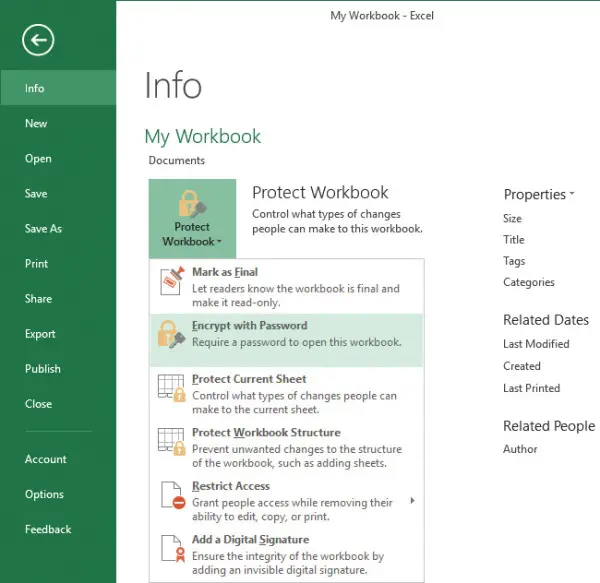
This is still the most reliable way to recover unsaved excel files and Microsoft itself recommends starting here. When Excel crashes or closes unexpectedly, reopening Excel often triggers the Document Recovery pane automatically. If that happens, do not close it quickly.
Open Excel and go to the File tab. Inside Info, look for Manage Workbook or Manage Document depending on the version. From there, select Recover Unsaved Workbooks. Excel opens a folder containing temporary recovery files. These files usually have strange names but they hold your data.
Once you open the file, Excel shows a yellow warning bar at the top. Click Save As immediately and store it somewhere safe. This step converts the temporary file into a permanent workbook.
According to Ablebits research published in 2025, this method alone solves nearly seventy percent of unsaved file cases. That number is consistent across Windows 10 and Windows 11 systems.
Method Two: Recover Unsaved Excel Files from the Open Menu
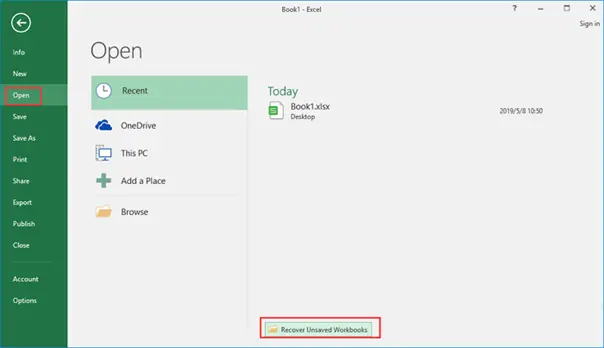
If the recovery pane does not appear automatically, there is still another official route. Open Excel, click File, then Open, and scroll down to Recent. At the bottom, there is a Recover Unsaved Workbooks option.
This path is often overlooked because users expect recovery to show up instantly. In reality, Excel hides it one level deeper. This method works well when Excel was closed manually without saving.
The logic behind this method is the same as the first one. Excel is pulling data from the autosave excel and document recovery system. The only difference is how you access it.
Method Three: Manually Checking Temporary Folders
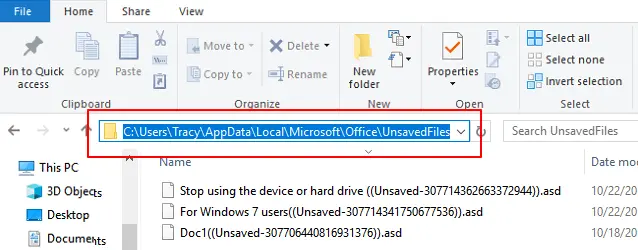

When built in recovery does not work, manual checking becomes necessary. This is where patience matters. On Windows, press Win and R together, type %temp%, and press Enter. This opens the temporary files directory.
Look for files with .tmp or .xlsb extensions modified around the time the file was lost. Sorting by date helps a lot here. Many users ignore this step thinking it is too technical, but it often works especially for files lost during system crashes.
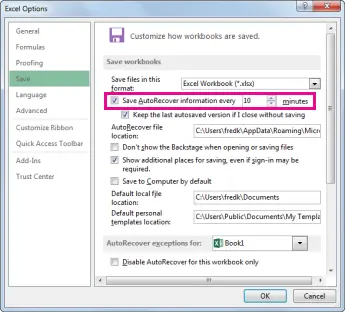
There is also a dedicated AutoRecover folder on Windows. The common path is inside AppData under Microsoft Office UnsavedFiles. These files do not always have readable names, but opening them in Excel usually reveals content.
Experts from HandyRecovery pointed out in a 2024 article that manual folder checks recover data in cases where Excel failed to trigger document recovery automatically.
Recover Unsaved Excel Files on Windows 10 and Windows 11
Windows 10 and Windows 11 handle recovery almost identically. The difference is mainly in system permission handling. On Windows 11, some users report that the AppData folder is hidden by default, which confuses first time users.
Still, the process remains the same. Use Excel recovery tools first and then move to manual folders because searching how to recover unsaved excel files Windows 11 often leads to the same steps, just explained differently.
One thing worth noting is that Windows File History can sometimes help restore overwritten files if backups has been enabled and this feature is part of data backup and recovery and works independently from Excel itself.
Recover Unsaved Excel Files on Mac
Mac users have a slightly different experience. Excel for Mac uses AutoRecovery folders stored inside Library containers. The challenge is that Library folders are hidden by default.
Once accessed, the logic remains familiar. Temporary files and recovery snapshots sit inside those folders waiting to be restored. Mac users often succeed by reopening Excel and letting document recovery appear automatically.
Online OfficeRecovery tools also support Mac files, but those should be used cautiously and only after local options fail.
Online Tools and Third Party Recovery Options
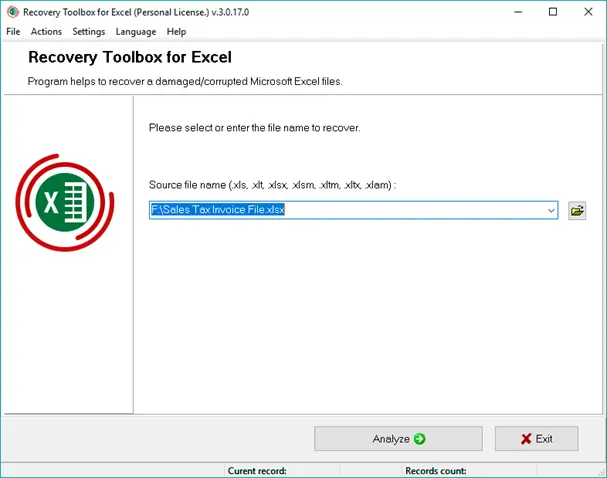

Sometimes local recovery does not work. In such cases, online recovery tools like OfficeRecovery or desktop software can help. These tools scan temporary sectors and damaged files to extract readable data.
A 2025 IONOS comparison study showed that success rates vary depending on file size and damage level. Online tools work best for recently lost files and smaller datasets. They are less reliable for heavily overwritten files.
These tools are not magic. They rely on the same principles as manual recovery but automate the scanning process. Always try built in recovery first before using external services.
Preventing Future Loss of Unsaved Excel Files
Most professionals who frequently search how to recover unsaved excel files eventually realize that prevention saves more time than recovery. Enabling autosave excel properly is the first step. Set AutoRecover intervals to five minutes or less.
Using cloud storage like OneDrive improves document version control and allows restore previous version of excel files easily. Version history is one of the most underused Excel safety features.
Regular data backup and recovery habits also matter. External drives, system backups, and cloud syncing reduce risk significantly.
Microsoft internal documentation shared in late 2025 confirmed that users with autosave enabled and version history turned on reported eighty percent fewer data loss incidents.
Common Recovery Mistakes People Still Make
One big mistake is reopening Excel repeatedly in panic. Every reopen can overwrite temporary files. Another mistake is installing recovery software immediately, which can overwrite temporary storage sectors.
Saving new files with the same name in the same folder is also risky. It reduces chances to restore overwritten files.
Understanding how to recover unsaved excel files is not just about steps, it is also about what not to do in those first few minutes.
Final Thoughts
Even in 2026, how to recover unsaved excel files remains a question people ask in stressful moments. The good news is that Excel has improved quietly, and recovery success rates are higher than most users expect. Built in recovery tools, temporary folders, and version control together form a safety net that works if used correctly.
What stands out from years of support articles and expert interviews is this simple idea. Panic reduces recovery chances, while calm step by step action increases them. Knowing how to recover unsaved excel files before you actually need it makes all the difference.
If Excel plays a central role in your daily work, spending a few minutes setting up autosave excel and understanding document recovery is time well invested.
FAQs About Recovering Unsaved Excel Files
Can an Excel file that was never saved be recovered?
Yes, in many cases it can be recovered using AutoRecover and document recovery features, especially if Excel was closed unexpectedly.
Where does Excel store temporary unsaved files?
Excel stores temporary files in AutoRecover folders and system temp directories depending on the operating system.
Is it possible to recover file history in Excel?
If version history or document version control was enabled, restoring previous versions becomes easier.
Does recovery work for older Excel versions like 2007?
Yes, but recovery options are limited compared to modern versions. Manual folder checks are more important there.
Can unsaved Excel files be recovered online?
Online tools can help in some cases, but built in recovery should always be tried first.
How to recover unsaved Excel files by date?
Sorting temporary files by modified date often helps locate the correct version.